Bond Street antiques move -- specialist Mayfair team: a practical guide for safe, discreet removals
Moving antiques around Bond Street is never just a matter of lifting boxes and hoping for the best. These are often awkward, fragile, valuable, and sometimes emotionally irreplaceable items. A specialist Mayfair team understands that a Bond Street antiques move needs patience, careful packing, route planning, and the kind of local awareness that keeps a tight schedule from becoming a headache. In a part of London where narrow access, loading restrictions, concierge arrangements, and parking rules can all shape the day, the difference between a smooth move and a stressful one is usually preparation.
This guide breaks down what the move involves, why specialist handling matters, and how to plan it properly. You will also find a clear step-by-step process, practical checklists, comparison points, and real-world advice for anyone moving antiques, fine furniture, art pieces, or collector items in and around Mayfair. If you are comparing local support, it can help to review the wider removal services overview and the more specific furniture removals in Mayfair page before you decide what level of help you need.
Truth be told, antique moves are rarely dramatic in the way people imagine. They are usually quiet, methodical, and a little bit tense. That is exactly why the right team matters.
Table of Contents
- Why Bond Street antiques move -- specialist Mayfair team matters
- How the move works from first call to final placement
- Key benefits and practical advantages
- Who this is for and when it makes sense
- Step-by-step guidance
- Expert tips for better results
- Common mistakes to avoid
- Tools, resources and recommendations
- Law, compliance, standards and best practice
- Options and comparison table
- Case study / real-world example
- Practical checklist
- Conclusion
- Frequently asked questions
Why Bond Street antiques move -- specialist Mayfair team Matters
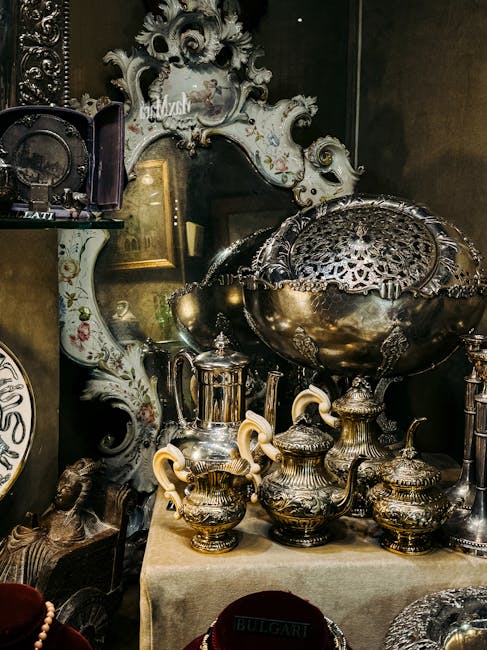
Antiques do not behave like ordinary household furniture. A veneered cabinet can split if it flexes too much. A gilt mirror can suffer from vibration. Old veneer, hand-cut joints, marble tops, original glass, lacquer finishes, and historic upholstery all need a gentler approach than a standard removals job. That is the first reason a specialist team matters: the handling is different.
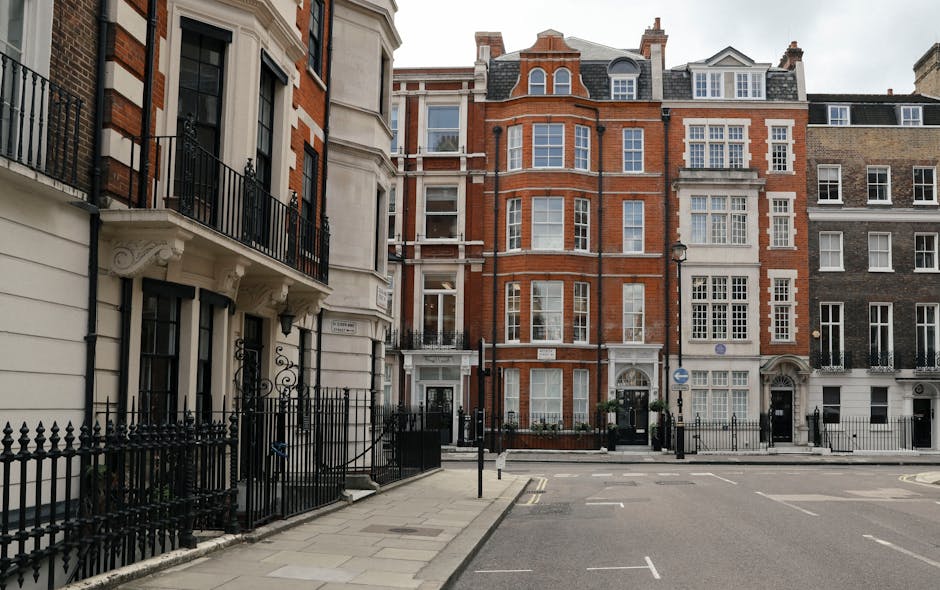
The Bond Street and Mayfair area adds another layer. Roads can be busy, access can be constrained, and buildings often have their own move-in rules. You may be dealing with loading bays, timed access, concierge coordination, or upper-floor collections where stairs are narrow and lifts are not ideal. A team used to the area is more likely to anticipate those constraints rather than discovering them on the day. And that saves time, money, and nerves.
There is also the value question. Many antiques are expensive, but even when an item is not high-value in the market sense, it may be highly valuable to you because it belongs to a family collection or matches a period interior. A specialist Mayfair team treats that difference seriously. It is not just about moving something from A to B. It is about keeping condition, provenance notes, and presentation intact.
Expert summary: The best antique move is usually the least dramatic one. Careful survey, tailored packing, local route planning, and calm handling matter more than speed.
If you are preparing a wider move in the area, it may also be useful to read about pricing and quotes so expectations are clear before any collection day is booked. That kind of early clarity helps, to be fair, more than most people expect.
How Bond Street antiques move -- specialist Mayfair team Works
A proper antiques move usually follows a structured process. It is not complicated, but it should be deliberate.
1. Initial enquiry and item review
The first conversation should cover what is being moved, where it is located, and whether any item has unusual fragility or size. A good team will ask about stairs, lifts, restricted access, tight corners, and whether the items are going into storage, another property, a gallery, or a commercial space. If the move includes larger decorative pieces or multiple items, the team may suggest a more detailed assessment.
2. Survey and move planning
This is where the local knowledge kicks in. A Mayfair-based move may require route planning around parking restrictions, delivery windows, and building access rules. If the antiques are being collected from a Bond Street showroom, the team may coordinate a precise arrival time so the collection does not interfere with trade or footfall. That sort of timing detail sounds small. It is not small on the day.
3. Protective packing and wrapping
Items may be wrapped in acid-free paper, foam, blankets, bespoke crates, or layered protective materials depending on their finish and fragility. Antique furniture is often padded at corners and edges before being secured inside a vehicle. Mirrors, glass cabinets, and framed works can need extra surface protection and rigid support. Not every item needs a crate, but every item does need the right level of protection.
4. Careful loading and transport
Loading is the moment when rushed moves tend to go wrong. Specialist handlers know how to lift with the frame, not the ornament; how to keep weight balanced; and how to avoid stacking pressure on pieces that were never designed for it. Vehicles used for removals should have suitable securing points, protective blankets, straps, and enough space to avoid squeezing items together.
5. Delivery, placement and unpacking
On arrival, the team should place each item where you need it, not just leave it near the door. That matters more than people think. In a townhouse or gallery setting, the difference between "dropped off" and "properly delivered" is sometimes thirty minutes of extra care. It is also where accidental knocks are most likely if items are rushed through thresholds or turned too sharply in confined hallways.
If you want to see how this sits within broader local work, the Mayfair removals service and man with a van in Mayfair pages show the different support levels available for small and medium moves. For larger, more complex jobs, you may prefer a more full-service approach.
Key Benefits and Practical Advantages
The main benefit of using a specialist team is damage reduction, but that is only the beginning. A well-run antiques move brings several practical advantages that make the whole process calmer.
- Less risk of surface damage: Proper wrapping and handling reduce scratching, scuffing, and edge chips.
- Better time control: Local planning helps avoid delays from access restrictions or parking issues.
- More suitable equipment: Dollies, blankets, straps, ramps, and protective wraps are matched to the item.
- Reduced stress: You are not trying to improvise on the morning of the move.
- Cleaner coordination: Good teams can work with collectors, interior designers, auction houses, or building managers.
- Better storage options: If the item is not going straight into place, you can pair the move with secure storage.
There is another advantage that often gets missed: confidence. Once you know the team understands the difference between a standard dining table and a rare burr walnut piece, you tend to breathe a bit easier. Small thing, but important.
If your antiques need to sit safely before installation or resale, consider secure storage in Mayfair as part of the plan. A move does not always end at the door.
Who This Is For and When It Makes Sense
This type of move is not only for collectors with museum-level pieces. It makes sense for a wider group than people often assume.
It is a strong fit if you are:
- relocating antique furniture from a Bond Street showroom
- moving inherited pieces into a new home in Mayfair or central London
- transferring decorative items between properties, storage, and sale rooms
- working with a designer or stylist on a residential or commercial interior
- closing, refreshing, or reconfiguring a gallery, boutique, or display space
- preparing a high-end property for staging or sale
If you are a homeowner, the move may be part of a broader transition. The local context matters here. Mayfair properties can be elegant, yes, but they can also be demanding to access. A careful move is often easier than repeatedly shifting heavy items later. If you are interested in the wider area and property context, our guides on living in Mayfair and home selling in Mayfair may be useful background.
For commercial moves, antiques can be part of a temporary event or display. If that sounds familiar, the guide to Mayfair event space recommendations offers a good sense of the sort of premium settings that often need careful logistics.
Step-by-Step Guidance
Here is the simple version of how to organise the move without getting overwhelmed. Keep it calm. Keep it specific.
- List every item clearly. Include approximate dimensions, materials, and any known vulnerabilities like loose legs, original glass, or delicate finishes.
- Photograph the condition. Take clear pictures before packing, including close-ups of existing marks. This is useful for your own records.
- Measure access points. Doors, lifts, stair widths, landings, basement steps, and parking access all matter.
- Confirm timing windows. In Bond Street and nearby Mayfair streets, timing can matter as much as distance.
- Choose suitable protection. Not all antiques need the same packing method.
- Decide whether items need storage. If there is a gap between collection and delivery, do not leave that decision to the last minute.
- Brief the team on placement. Tell them where each item should go at destination, especially if furniture is being arranged in a room with limited access.
- Check on delivery. Unwrap carefully, inspect condition, and note any concerns straight away.
A tiny detail, but one that saves time: make sure keys, access codes, concierge names, and phone numbers are ready before the vehicle arrives. Sounds obvious. Still gets missed all the time.
Expert Tips for Better Results
These are the sorts of habits that make a move feel easy, even when the items themselves are awkward.
- Separate delicate items before moving day. Loose shelves, removable handles, and fragile fittings should be detached or secured in advance where appropriate.
- Use room-by-room labels. This helps with placement and reduces confusion at the destination.
- Keep a small essentials kit aside. Tape, markers, microfibre cloths, a charger, and a notebook can be surprisingly handy.
- Avoid overpacking boxes with mixed valuables. Heavy ceramics, glass, and paperwork should not be bundled casually together.
- Plan the weather. Rain is rain, after all. In London, it turns up uninvited. Protect entry points and wrapping accordingly.
- Build in a margin. For a Bond Street antiques move, a little time buffer is worth its weight in gold.
One thing experienced handlers often notice is that antiques are rarely the problem by themselves. The problem is usually the surroundings: tight doorways, awkward corners, or a rushed handover. So give the environment some respect. It matters.
If your job needs a vehicle designed for secure, protected transport, the page on a removal van in London is a useful place to understand the type of transport that suits valuable furniture and decorative pieces.
Common Mistakes to Avoid
Most mistakes are avoidable with a bit of patience. The big ones are not glamorous, just costly.
- Assuming all antiques can be moved like flat-pack furniture. They cannot. Not even close.
- Failing to measure access. A piece may fit the room but not the stairwell. Classic mistake.
- Using weak packing material. Thin cardboard and a hopeful attitude are not a plan.
- Ignoring humidity or storage conditions. Wood, paper, textiles, and finishes all react differently to poor environments.
- Leaving condition checks until later. Inspect items as soon as they are delivered, while the move is still fresh in everyone's mind.
- Choosing speed over care. A slightly slower move is often a much safer move.
There is also a communication issue. If one item needs upright transport, or if a mirror cannot be laid flat, say so clearly and early. Do not assume the team will guess. They may be very good. They are not mind readers. Unfortunately.
Tools, Resources and Recommendations
The right tools make all the difference, especially in a high-value setting. You do not need every specialist item on earth, but you do need the right ones for the job.
| Item or resource | Why it helps | Best used for |
|---|---|---|
| Blankets and padded wraps | Reduces abrasion and light knocks | Cabinets, tables, frames, decorative furniture |
| Corner protectors | Protects sharp or fragile edges | Mirrors, framed pieces, polished wood |
| Straps and securing points | Keeps items stable in transit | Loaded vehicles and larger items |
| Crates or custom cases | Offers stronger structural protection | Very fragile, high-value, or irregular items |
| Condition checklist | Documents the item before and after the move | Insurance and peace of mind |
| Storage solution | Helps bridge timing gaps safely | Staged moves or renovation projects |
For packing support, it can also help to look at packing and boxes in Mayfair and, if you need extra materials, package and boxes in Mayfair. A good packing setup can prevent a lot of trouble later.
And if your move needs an especially flexible service, the local man and van Mayfair option may suit smaller antique collections, while larger or more fragile collections often deserve a fuller removals approach.
Law, Compliance, Standards, or Best Practice
For antique moves, the main compliance concerns are usually practical rather than overly technical, but they still matter. In London, parking restrictions, loading rules, building access conditions, and site-specific requirements can all affect how a move is carried out. A specialist team should work within those constraints and plan accordingly.
There are also wider best-practice expectations to think about:
- Insurance awareness: Make sure you understand what is covered and what is not. Do not guess.
- Condition recording: Keeping a written and photographic record is sensible for valuable items.
- Safe lifting practice: Heavy or awkward objects should be handled in a way that reduces strain and risk of dropping.
- Access permissions: Building managers, concierge teams, and neighbouring businesses may need notice.
- Environmental care: Packaging should be used sensibly, and reusable materials are often preferable where suitable.
Where appropriate, review the provider's insurance and safety information, along with the health and safety policy. If you are comparing providers, it is also wise to look at the terms and conditions so you understand booking, responsibility, and service boundaries.
If your collection has a sustainability angle, perhaps because the pieces are being redistributed or resold, the site's recycling and sustainability information may also be relevant. Not every move needs to create a pile of unnecessary waste. A little common sense goes a long way.
Options, Methods, or Comparison Table
Different antique moves need different service levels. Here is a straightforward comparison to help you decide.
| Method | Best for | Pros | Trade-off |
|---|---|---|---|
| Small van / man and van | One to a few items, simple access | Flexible, efficient, often suitable for lighter jobs | Less ideal for highly fragile or numerous pieces |
| Dedicated removals vehicle | Multiple antiques or mixed furniture | More room, better protection, more control | May need more planning and cost |
| Specialist antique handling | High-value, delicate, or unusual pieces | Care-focused packing and handling | Requires more preparation and coordination |
| Move plus storage | Staged delivery or renovation delays | Useful timing flexibility | Extra logistics to manage |
The best option is not always the biggest one. If you have one rare cabinet and a narrow staircase, a careful smaller setup can be smarter than turning the move into a larger operation than needed. Practicality wins, every time.
Case Study or Real-World Example
Imagine a Bond Street gallery preparing to relocate a handful of antique display pieces after a refurbishment. The items include a carved console table, two framed works, a glass-fronted cabinet, and a marble-topped side piece. None of them are absurdly huge, but each is awkward in a different way.
The team begins with a quick survey of access. The gallery has a front entrance that cannot be blocked for long, a narrow internal corridor, and a loading window that needs to be respected. The move is scheduled early, before footfall rises. Each item is wrapped according to its material: the cabinet gets extra glass protection, the marble top is padded and stabilized, and the framed works are kept vertical and separated.
The job is not exciting. Which is exactly why it works.
There is no last-minute scrambling for tape, no guessing about where the cabinet should go, and no worrying whether the delivery van can stop legally. The collection reaches the destination intact, is placed carefully, and the client can get on with the day. That is the kind of result people usually want, even if they do not say it out loud. Calm. Quiet. Done properly.
If you need a broader local team for this sort of move, you may want to learn more about the company's approach on the about us page, or get in touch through the contact page to talk through the details before booking.
Practical Checklist
Use this checklist before moving day. It keeps the whole process far less chaotic.
- List every antique item and note its dimensions
- Photograph condition from several angles
- Confirm access at both collection and delivery points
- Check whether stairs, lifts, or tight corners are involved
- Arrange parking or loading permissions where needed
- Choose the right packing materials for each item
- Label items clearly for placement and unpacking
- Prepare keys, codes, and contact names in advance
- Decide whether any pieces need storage
- Review insurance and service terms before the move
- Keep a post-delivery inspection note ready
That is the core of it. Not fancy, just solid.
Conclusion
A Bond Street antiques move calls for more than transport. It calls for judgement. The right specialist Mayfair team combines local access knowledge, careful packing, safe lifting, and an eye for the small details that protect valuable and sentimental items alike. Whether you are moving a single cabinet, a private collection, or a curated showroom display, the principle is the same: plan properly, handle gently, and do not leave the tricky bits to chance.
For most people, the real goal is simple. You want the piece to arrive looking exactly as it left, maybe even a bit relieved after the journey. That is achievable with the right preparation and the right crew.
Get a free quote today and see how much you can save.
Frequently Asked Questions
What makes a Bond Street antiques move different from a normal house move?
Antiques often need more protective packing, more careful lifting, and more precise timing. In Bond Street and Mayfair, there is also the added challenge of access, loading restrictions, and busy local streets.
Do all antiques need custom crates?
No. Some items are fine with layered wrapping, padding, and secure transport. Others, especially very fragile or high-value pieces, may benefit from crating. The right answer depends on the item and its condition.
How far in advance should I book a specialist Mayfair team?
As early as you can, especially if access is limited or the move must happen in a specific time window. A bit of notice usually makes coordination much easier.
Can the team collect from a Bond Street showroom or gallery?
Yes, provided access and timing are arranged properly. Gallery collections often need a discreet, efficient approach so normal business is disrupted as little as possible.
Is storage available if my antiques are not going straight to the new property?
Yes, storage can be a very practical option if the destination is not ready yet. It is often better to plan for storage than to rush a delivery into an unsuitable space.
What should I do before the movers arrive?
Measure access points, take condition photos, label items, and make sure keys and contact details are ready. If you have any fragile fittings or loose parts, tell the team in advance.
How do I know if my items are covered by insurance?
You should check the provider's insurance information directly and confirm what is included before booking. Never assume coverage. Ask the practical questions early.
Can antique furniture be moved with a standard van?
Sometimes, yes, for smaller and less delicate pieces. But the vehicle should still be suitable, with proper securing and protection. Larger or more fragile collections usually need a more robust setup.
What if the building has stairs and no lift?
That is common in older London properties. A specialist team can usually handle it, but it should be flagged early so the right equipment and staffing are planned.
Do you also help with packing materials and boxes?
Yes, packing support can make a huge difference, particularly for mixed items or pieces that need extra wrapping. It is worth looking at the available packing and boxes options before moving day.
What if I only need one antique moved?
That can still justify specialist help if the item is valuable, fragile, or awkward. Sometimes one object is harder than ten ordinary boxes. Funny how that works.
How do I get a quote for an antiques move in Mayfair?
Use the pricing and quotes page or contact the team directly with item details, access information, and preferred dates. The more specific you are, the more useful the quote will be.